

Home and Clinic visits for Ear Wax Removal
Based in Surrey and surrounding areas
Reminder for Hearing Aid users
Please remember to get your ear check up before your Audiologist appointment.
You will be turned away due to any build-up of wax.
This is then time lost and costly to both Patient and Audiologist

Ear wax, also known by the medical term cerumen, is a brown, orange, red, yellowish or grey waxy substance secreted in the ear canal. It protects the skin of the human ear canal, assists in cleaning and lubrication, and provides protection against bacteria, fungi, and water. The ear canal is lined with hair follicles and glands that produce the cerumen. Sometimes the glands produce more wax than can be easily excreted out the ear. This extra wax may harden within the ear canal and block the ear.
This can often be triggered by a new stimulus such as earplugs, hearing aids, earphones, headsets or other protective equipment because they are inserted or cover the ear for long periods of time.
It could also simply be because we are all different, and some people produce more wax than others, so are prone to excess build-up.
Other people may be at risk of build-up because they have naturally hard, dry ear wax or narrow canals
The build-up of ear wax can affect all age groups. It can leave you with pain, discomfort, a feeling of fullness in the ear canal, balance issues, whistling or a buzzing sound and even hearing loss.
It’s quicker and easier nowadays to remove ear wax, thanks to the effectiveness of micro suctioning. In most cases, you can be hearing better and enjoying life symptom-free within an hour.
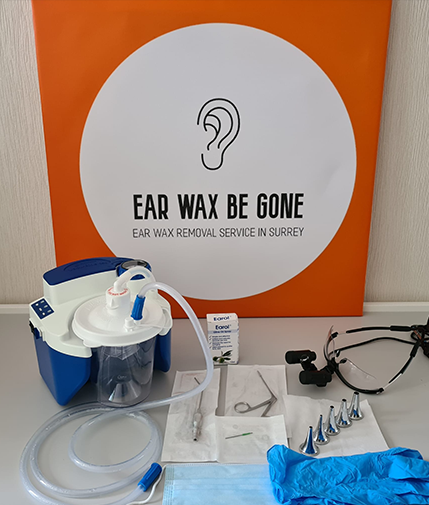
Microsuction is the safest and most comfortable method of ear wax removal. With no water being used there is no mess during the procedure. The ear canal is being observed throughout the process, under microscope “Loupes” which are attached to my head, making it a safe procedure.
A small, thin, steel wand-like tool is inserted into the ear, which is attached to a suction tube and a suction machine device, this then removes the wax gently under microscope. The process can take from a few minutes to one hour depending on how much wax is there or if the wax is severely impacted in the canal.
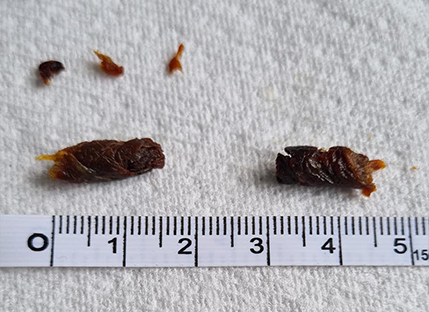
Normally, earwax is the body’s way of protecting the ear. Its sticky consistency traps dirt and other pollutants, act as a lubricant, and because it naturally falls out of the ear canal on its own, serves as a natural self-cleaning agent. On occasions, it can become impacted and affect your ability to hear.
The following symptoms indicate earwax is causing a problem:
The only way to know for sure and to remove the earwax safely from the affected ear is to see a Clinician like myself. You should never try and remove the earwax yourself using a cotton swab. Not only could you accidentally puncture your eardrum or push the earwax deeper into the canal and cause impaction, but removing this natural protective lubricant can lead to the development of dry, itchy ears. It’s best to let a professional determine whether or not your ears need a more thorough cleaning.
These devices are used by all age groups and professions, to help the wearer to hear better in day-to-day living and working environments, to listen to music, to protect the wearer from loud noises, wind or for safety.
They all have one thing in common, which is that they can interfere with the migratory process of ear wax. If the ear canals are not looked after properly, the ear wax begins to build up. When it builds up enough, it occludes the ear canal, and you will need to have it removed. This can affect the wearer, the efficiency of the equipment, which can lead to further problems of hearing loss, feeling of fullness in the ear, balance issues, pain in ear, dizziness and more.
For example, significant amounts of ear wax can cause hearing aids to ‘whistle’. This will usually stop when the ear wax is removed. Ear wax can also stop your hearing aids from working properly if it enters the tube or receiver, you may have to clean your hearing aids more frequently or have them replaced at more cost.
You may also find your hearing loss increases and reduces the effectiveness of the hearing aid by blocking the sound due to build-up of wax.


Remember to use Earol Olive Oil Spray in your ears 2-5 days before seeing me to help soften the Ear Wax.
Most Ear Care Clinicians say that the ear canal does not to be cleaned. Enough water enters the ear canal during hair washing and showering to loosen the wax, which will fall out over time. The use of cotton buds or swabs into the ear passage causes more health risks, such as impacted ear wax, pain, ringing in the ear and dizziness. Try to avoid using them and let nature take its course.
I do not recommend to have the procedure, if you have experienced difficulties with Microsuction in the past, have a history of severe dizziness, a sensitivity to loud noise – (known as Hyperacusis), you are unable to hold your head still, or are prone to unpredictable head movement.
If you are experiencing any of these symptoms or have any questions please get in touch, for a check-up of your ears at Ear Wax Be Gone